
Navigating the rapid transformation of global food production systems, commercial agribusiness operations, crop science research institutions, and large-scale farming enterprises requires deploying high yield precision agricultural biotechnology infrastructure software solutions to optimize crop performance and secure operational efficiency.
Traditional agricultural management practices, manual field trial data collection, disconnected sensor networks, and legacy farm management software are fundamentally insufficient for handling the massive volume of phenotypic, genomic, environmental, and spatial data generated by modern agricultural technologies. Processing complex field trial outputs, gene editing data pipelines, soil microbiome profiles, and automated irrigation metrics through fragmented software environments introduces severe operational bottlenecks, inflates research costs, increases sample error rates, and delays the commercialization of resilient crop varieties.
Executive leadership teams, chief technology officers, lead agronomists, and biotechnology research directors recognize that achieving long-term profitability and sustainable yield improvements demands transitioning toward unified, enterprise-grade agricultural biotechnology software platforms. These advanced platforms integrate automated phenotypic data ingestion frameworks, AI-driven molecular marker design modules, high-throughput geospatial telemetry engines, and zero-trust data governance architecture into a single cohesive operational ecosystem.
By implementing a comprehensive precision agricultural infrastructure platform, commercial seed producers and agrochemical conglomerates streamline breeding workflows, optimize capital expenditure across global field trial sites, protect proprietary genetic intellectual property, and accelerate high-performing crop traits from laboratory discovery to global commercial distribution. Moving far beyond basic farm mapping utilities or simple weather tracking apps, these sophisticated software platforms monitor dynamic microclimate variations, orchestrate autonomous field robotics, process complex satellite imagery streams, and deliver predictive analytics directly to corporate decision-makers.
For executive boards, agricultural venture funds, and enterprise software procurement officers, acquiring an advanced precision agricultural biotechnology infrastructure represents a high-value capital investment that directly lowers research operating overhead, mitigates catastrophic crop failure risks, enhances regulatory compliance tracking, and elevates total enterprise firm appraisal valuation. As global climatic volatility intensifies and consumer demand for sustainable agricultural solutions grows across international markets, establishing complete operational authority over your enterprise agricultural biotechnology software stack becomes an indispensable requirement for long-term commercial market dominance.
This comprehensive technical guide analyzes the core architectural modules, security protocols, and operational strategies of top-tier precision agricultural biotechnology platforms, offering decision-makers an actionable blueprint to convert complex biological and field data into scalable, cryptographically secured digital assets. By adopting continuous trait design pipelines, automated sensor orchestration gateways, and cloud-native spatial analytics today, your enterprise can eliminate operational friction, maximize research capital efficiency, and secure a dominant strategic position at the forefront of modern commercial agriculture.
Automated Molecular Marker Design And Genotypic Data Ingestion
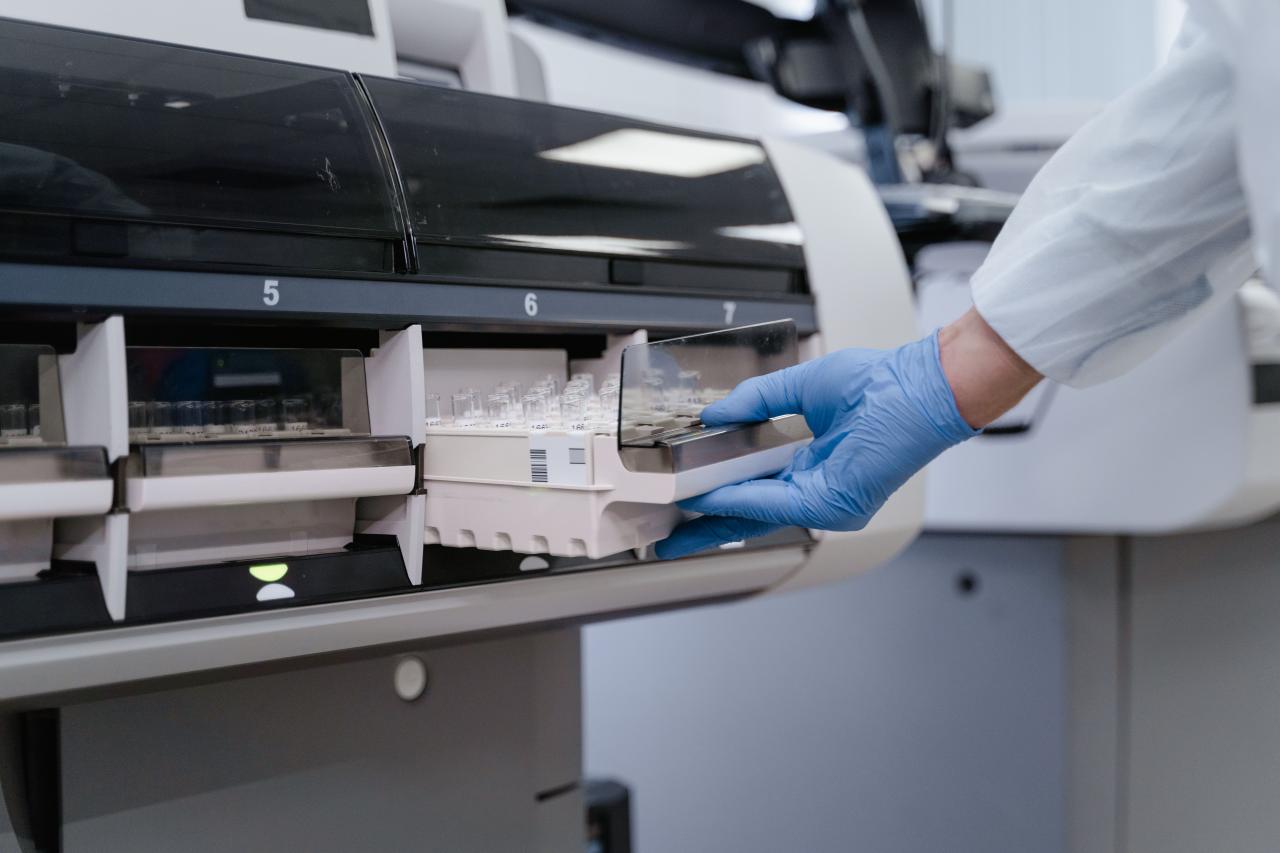
Enterprise agricultural biotechnology platforms rely on automated molecular marker design engines to accelerate marker-assisted selection and genomic prediction across global plant breeding programs. High-performance bioinformatics software automates single nucleotide polymorphism discovery, genotyping assay configuration, and trait association mapping dynamically to maximize breeding efficiency.
A. Automated marker discovery algorithms process high-throughput sequencing data across diverse crop germplasm collections, identifying high-density single nucleotide polymorphism markers linked to target agronomic traits. B. High-speed genomic selection pipelines compute estimated breeding values across candidate plant lines automatically, allowing plant breeders to select superior parents without waiting for full field maturity. C. Real-time genotypic data ingestion gateways ingest high-density array outputs and target sequencing files continuously, updating central germplasm databases with high accuracy.
Deploying automated molecular marker pipelines eliminates manual data handling errors across distributed plant breeding stations. Technology directors maintain complete confidence in trait selection accuracy while accelerating commercial product development cycles.
Automated High Throughput Field Phenotyping And Spatial Telemetry
Capturing precise physical crop traits across thousands of experimental field plots depends on automated high-throughput field phenotyping platforms and spatial telemetry gateways. Advanced sensor integration software combines multispectral drone imagery, LiDAR elevation scans, and ground-based robotic sensor outputs into unified analytical dashboards.
A. Automated image processing algorithms analyze high-resolution multispectral imagery dynamically, computing canopy cover, normalized difference vegetation index, and plant height metrics for individual plot units. B. High-throughput thermal imaging engines evaluate crop canopy temperatures continuously to identify drought-tolerant plant lines under environmental stress conditions. C. Real-time spatial telemetry modules map microclimate data, soil moisture levels, and solar radiation readings continuously, normalizing phenotypic trait measurements across variable field environments.
Utilizing automated field phenotyping gateways enables crop science enterprises to evaluate thousands of experimental hybrids simultaneously with absolute technical precision. Research managers scale field trial programs effortlessly while reducing manual field scouting expenditures.
Predictive Soil Microbiome Analytics And Biofertilizer Optimization
Optimizing soil health and maximizing nutrient uptake efficiency relies on predictive soil microbiome analytics platforms and biofertilizer optimization engines. Intelligent bioinformatics tools analyze soil metagenomic sequencing datasets to model complex plant-microbe interactions and optimize biological seed treatment formulations.
A. Metagenomic taxonomic classification pipelines identify functional microbial communities within field soil samples, profiling biological nitrogen fixation and phosphate solubilization capacities. B. Predictive interaction modeling tools evaluate microbial strain compatibility across target host crop genomes, guiding the formulation of high-potency bioinoculants. C. Real-time soil metagenomic tracking engines monitor microbial population shifts following biological application events, measuring biofertilizer persistence across diverse soil types.
Implementing predictive soil microbiome analytics drastically lowers synthetic fertilizer application costs and enhances crop stress tolerance. Agronomic research teams guide biological product development with clear, data-driven soil intelligence.
Autonomous Field Robotics And Variable Rate Application Orchestration
Connecting physical farming equipment, autonomous field robotics, and precision spraying hardware into coordinated execution networks depends on autonomous field robotics orchestration gateways. Advanced software adapters translate complex field prescription maps directly into machine-executable guidance paths and variable-rate application commands.
A. Dynamic robotic swarm schedulers allocate autonomous weeding platforms, field mapping drones, and automated soil samplers efficiently across large-scale research plots. B. Variable-rate prescription engines process real-time crop health telemetry, adjusting biological crop protection application rates on a nozzle-by-nozzle basis automatically. C. Real-time equipment telemetry monitors track implement speed, chemical pressure, and coverage bounds continuously, alerting field managers immediately when application anomalies occur.
Deploying autonomous equipment orchestration gateways allows commercial farming operations to apply crop inputs with pinpoint spatial accuracy. Operational leads maximize field input efficiency while minimizing chemical waste and environmental impact.
Predictive Crop Growth Modeling And Yield Analytics Platforms
Simulating complex crop growth cycles under dynamic weather conditions relies on predictive crop growth modeling engines and yield analytics platforms. Advanced bio-computational software models physiological processes, water usage efficiency, and yield formation in silico across varying management scenarios.
A. Mechanistic crop growth engines simulate leaf area index development, biomass accumulation, and final grain yield across target climate zones accurately. B. Machine learning yield prediction models analyze historical weather patterns, soil profiles, and satellite vegetation indices to forecast regional crop production numbers. C. Extreme weather vulnerability modules simulate heat wave and drought impacts continuously, identifying resilient crop management strategies prior to seasonal planting.
Utilizing predictive crop modeling software lowers financial risks associated with climate variability and optimizes farm management decisions. Agronomic directors provide precise yield forecasts and risk mitigation recommendations to executive leadership.
Zero Trust Germplasm Protection And Biological Intellectual Property Vaults
Securing valuable seed lines, proprietary gene editing constructs, and confidential breeding records against unauthorized access and industrial theft requires zero-trust biological intellectual property vaults. Enterprise platforms isolate sensitive germplasm pedigree data within cryptographically secured hardware security architecture.
A. End-to-end cryptographic encryption protocols protect proprietary marker sets, pedigree trees, and genomic selection models at rest and during transit. B. Attribute-based access management engines restrict seed line pedigree visibility strictly according to verified research role clearance parameters. C. Immutable biological audit registries record every germplasm query, seed sample transfer, and breeding pipeline access request on tamper-proof logging tiers.
Consolidating seed line security protects enterprise agricultural assets from unauthorized intellectual property disclosure and competitive espionage. Chief information security officers maintain strict governance across global research centers and contract seed production facilities.
Automated Regulatory Compliance Auditing For Gene Edited Crops
Fulfilling international biosecurity mandates, environmental protection guidelines, and regulatory disclosure rules for genetically modified organisms requires automated regulatory compliance auditing software. Specialized compliance modules track every genetic modification event and regulated field trial location systematically.
A. Automated trait tracking software documents full gene editing histories, recording precise CRISPR target sites and off-target analysis results for regulatory filings. B. Cryptographically verified electronic field logs capture immutable spatial records of regulated crop plantings, generating compliance reports for government authorities automatically. C. Automated biosafety level authorization modules verify field site isolation buffer zones before approving experimental planting activities.
Automating regulatory tracking reduces compliance preparation overhead and eliminates regulatory penalty risks during official government audits. Regulatory affairs officers present verifiable operational records to international oversight agencies seamlessly.
High Speed Edge Computing For Remote Field Stations
Extending enterprise software management capabilities to remote research sites, international field trial locations, and rural breeding facilities depends on high-speed edge computing infrastructure. Lightweight edge processing nodes run analytical workloads locally, ensuring uninterrupted data collection during network connectivity losses.
A. Edge phenotyping analysis runtimes process drone imagery and sensor logs locally, giving field crews immediate plot-level analytics without cloud dependencies. B. Bandwidth-aware data compression protocols reduce large spatial image files and sensor logs efficiently before transmitting records to central servers. C. Offline field data caching utilities capture experimental field evaluations continuously, syncing central databases automatically upon network restoration.
Deploying edge computing infrastructure enables enterprise biotechnology firms to deliver uniform operational capabilities to remote field stations globally. Infrastructure managers maintain total supervisory control over global field operations regardless of local connectivity limitations.
Automated Seed Inventory And Cold Chain Telemetry Gateways
Managing high-value seed collections, foundation seed stocks, and temperature-sensitive biological treatments requires automated seed inventory management and cold chain telemetry platforms. High-speed tracking software integrates RFID technology, environmental sensors, and warehouse management systems directly into centralized supply chain workflows.
A. Automated storage monitoring engines track temperature and humidity levels inside cold seed vaults continuously, preventing seed viability loss. B. Real-time inventory tracking modules log seed lot movements, germination testing results, and purity scores systematically across global distribution centers. C. Dynamic cold chain alerting systems monitor biological seed treatment shipments, sending immediate alerts if temperature thresholds are breached during transit.
Utilizing automated seed inventory software prevents costly seed stock degradation and ensures high germination rates for commercial customers. Supply chain managers maintain full visibility over high-value biological inventories across global distribution networks.
Strategic Capital Allocation And Agricultural Biotechnology Platform ROI Modeling
Evaluating agricultural software procurement through a structured corporate finance model converts technology investments into a high-yielding operational optimization strategy. Advanced financial modeling software projects capital payback schedules, field trial cost reductions, and intellectual property value growth accurately.
A. Field trial cost reduction models calculate direct financial savings achieved by optimizing plot counts, automating phenotyping, and reducing manual labor. B. Product commercialization timeline ROI frameworks measure economic value created by shortening crop breeding cycles by multiple seasonal generations. C. Enterprise valuation enhancement models project corporate appraisal value growth driven by expanded proprietary seed portfolios and secure biological data assets.
Validating software investments through rigorous financial analysis secures board approval for enterprise digital transformation projects. Strategic leadership establishes a modern, highly efficient agricultural biotechnology research infrastructure built for sustained commercial success.
Conclusion

Investing in modern precision agricultural biotechnology infrastructure software represents a vital strategic imperative for corporate leadership teams. Replacing fragmented farm management tools with automated biotechnology software protects operational margins against research delays and sample errors.
Every integrated marker design module and zero-trust security protocol within your architecture directly improves research throughput and enterprise firm valuation. Sustaining long-term commercial growth requires a resilient digital infrastructure capable of coordinating complex field trial workflows effortlessly.
Advanced spatial telemetry, automated robotics orchestration, and predictive crop growth modeling deliver the technical capabilities required to excel. Securing complete operational authority over your agricultural biotechnology software environment is a decisive step for forward-thinking technology executives.
As global agricultural industries transition toward data-driven crop production, holding full control over your biological software infrastructure becomes your ultimate advantage. Your organization’s future research velocity and market dominance depend directly on the quality of the agricultural biotechnology infrastructure software you deploy today.