


The transition from manual labor to institutional-grade digital orchestration has created a revolutionary opportunity for organizational growth and operational resilience. We are currently witnessing a historic shift where cognitive automation and systematic integration are moving from luxury features to essential components of any competitive business infrastructure. This evolution requires a sophisticated understanding of API dynamics, logic-based triggers, and the psychological discipline needed to manage complex technical stacks without human intervention. For the modern professional, mastering the mechanics of autonomous workflows is no longer optional but a core requirement for scaling productivity in a high-velocity economy.
Achieving elite status in this space involves more than just installing software; it requires a deep dive into low-code architecture, data synchronization, and end-to-end process mapping. This guide is designed to deconstruct the complex layers of the modern automation ecosystem, providing you with a masterclass in the strategies used by the world’s most efficient digital enterprises. By focusing on the synergy between technical precision and creative problem-solving, you can transform a chaotic manual environment into a predictable, high-performance engine. Let us explore the blueprints of digital efficiency and discover how to build a legacy of productivity that thrives in the era of autonomous intelligence.
The Foundation of Autonomous Workflow Architecture
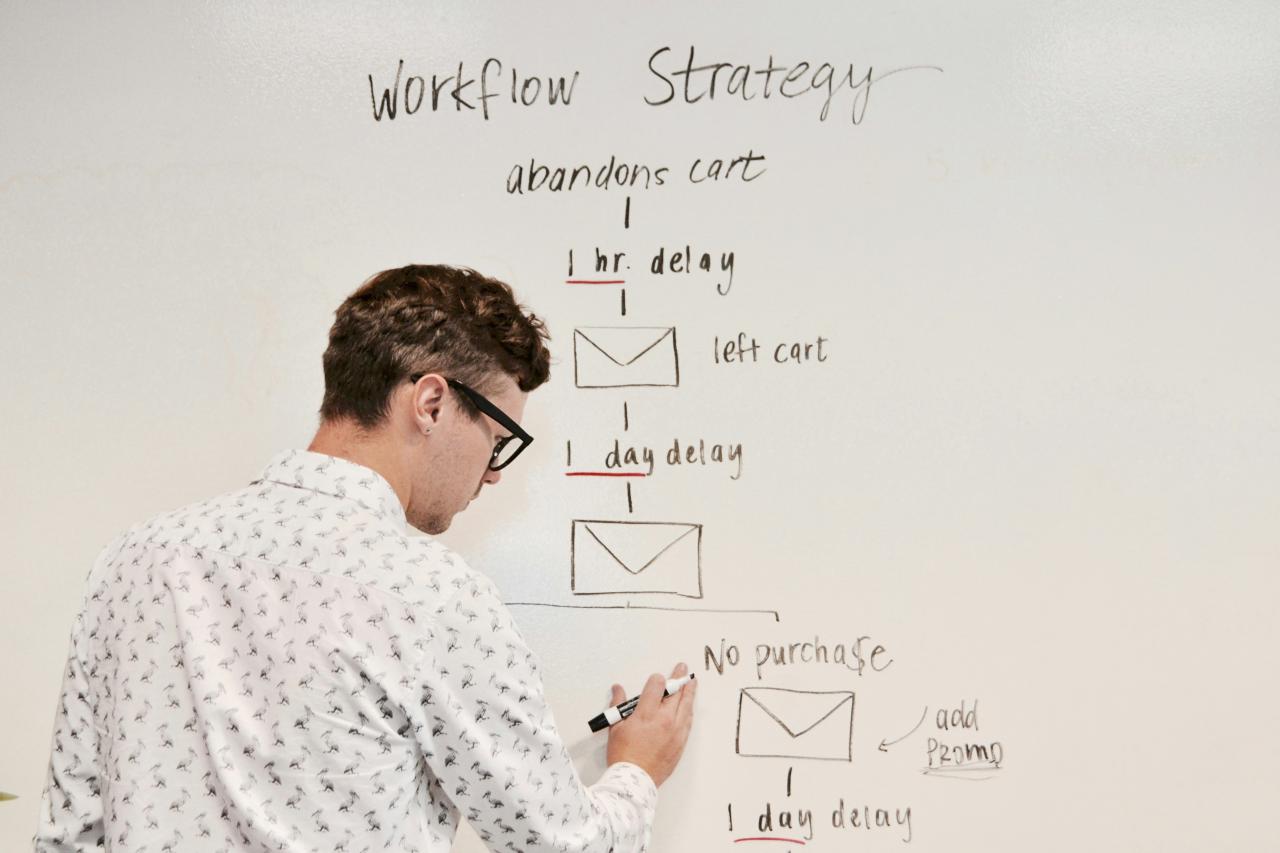
Building an elite automated ecosystem requires a structural approach. You must balance high-speed execution with rigorous error handling at every level.
A. Strategic Process Identification and Mapping
The bedrock of any successful strategy is knowing what to automate. You should identify repetitive, high-volume actions that drain human energy. Mapping these steps out visually helps prevent logic errors before they are coded.
B. Selecting High-Performance Integration Platforms
Beyond simple triggers, you need platforms that facilitate complex multi-step sequences. These ecosystems generate value by bridging disparate software applications into a single unit. Choosing the right “middleman” software is the most important hardware decision you will make.
C. The Role of Logic Gates in Complexity Management
Managing an autonomous system involves knowing how to handle variables. Utilizing sophisticated conditional logic allows your workflows to adapt to different data inputs. This means your system can “think” and make decisions based on the data it receives.
Advanced Integration and Data Synchronization
Efficiency is not just about moving fast in a straight line. It is about ensuring that information remains accurate across every platform in your technical stack.
A. API Mastery and Webhook Optimization
Elite architects use real-time webhooks to trigger actions the moment they happen. This removes latency from the system and ensures that your data is always current. Waiting for a “sync” every hour is a relic of the past.
B. Building Resilient Error Handling Frameworks
Technical failures are inevitable in any complex digital environment. Establishing clear fallback procedures ensures that you can address issues before they impact the bottom line. A good automation should notify you the moment it fails rather than silently breaking.
C. Understanding Metadata and Data Transformation
Information often needs to be reformatted as it moves between different tools. Mastering the art of data parsing ensures that your automated sequences remain clean. This prevents “data rot” from clogging up your databases.
Robotic Process Automation (RPA) as a Growth Engine
The true power of modern efficiency lies in mimicking human actions at scale. RPA offers ways to eliminate the “busy work” from your daily operations entirely.
A. Desktop vs. Cloud-Based Automation Logic
By understanding when to use local scripts versus cloud triggers, you can optimize for reliability. Cloud solutions offer better scalability for growing teams. Local automation is often better for handling secure, internal legacy systems.
B. Utilizing OCR and Intelligent Document Processing
Modern tools can now “read” physical and digital documents to extract meaningful data. This creates a bridge between traditional paper-based workflows and the modern economy. You no longer need to manually type data from an invoice into a spreadsheet.
C. Autonomous Communication and Lead Management
You can use integrated tools to manage customer interactions through automated email sequences. This ensures that no opportunity is lost due to human delay. Speed to lead is the most important metric in modern sales.
Security Infrastructure and System Governance
In the automated world, a single mistake can be replicated thousands of times. Elite efficiency is meaningless if your systems are not protected by rigorous security.
A. Managing API Keys and Credential Safety
Your access tokens are the most sensitive pieces of information in your stack. Elite practitioners use secure vaults to ensure that their keys are never exposed. Never hard-code your passwords into a public script.
B. Role-Based Access and Permission Hierarchies
Not every automated script needs full administrative access to your entire database. Implementing the principle of least privilege ensures that your system remains safe. This limits the damage if a single workflow is compromised.
C. Regular Auditing and Performance Monitoring
Before letting a new sequence run indefinitely, you must verify its output. Constant vigilance is a requirement for maintaining high-performance infrastructure. Check your logs weekly to ensure everything is running as intended.
The Psychology of Automated Efficiency
Scaling your output requires a shift in how you view your daily work. You must transition from being a “doer” to being a “systems architect.”
A. Overcoming the Fear of Delegating to Machines
Many professionals hesitate to automate because they fear losing control. Trusting the logic of a well-built script allows you to focus on high-level strategy. The machine is a partner, not a replacement for your creativity.
B. Developing a “Systems First” Mindset
Whenever you perform a task twice, ask yourself if it can be automated. This habit builds a library of efficiency over time. Small automations add up to hundreds of hours saved every year.
C. Managing the “Automation Paradox”
As systems become more automated, the remaining manual tasks become more critical. You must stay sharp and ready to intervene when the machine hits a limit. Elite architects spend their saved time refining the system further.
Optimizing the “Customer Journey” Through Automation
Efficiency should also translate to a better experience for the people you serve. Automation can make your business feel more personal, not less.
A. Personalized Automated Onboarding
The moment a client signs up, an automated sequence should guide them. This provides instant gratification and professional clarity. It sets the tone for a high-value relationship from minute one.
B. Automated Feedback Loops and Surveys
Gathering data from your customers should happen without you lifting a finger. Automated surveys after a purchase provide the raw data needed to improve. This creates a continuous cycle of growth and refinement.
C. Predictive Support and Proactive Ticketing
Sophisticated systems can flag a customer problem before the customer even knows it exists. Reaching out with a solution before they ask builds immense trust. This is the hallmark of elite service in the digital age.
Building an Elastic Technical Stack
Your choice of tools will determine how fast you can pivot as the market changes. Avoid “vendor lock-in” by building a flexible architecture.
A. The Rise of Low-Code and No-Code Tools
You no longer need a computer science degree to build powerful integrations. Modern tools allow you to drag and drop logic to create complex systems. This democratizes efficiency and allows anyone to be an architect.
B. Modular Design and Micro-Services
Build your automations in small, interchangeable pieces rather than one giant script. This makes it easier to troubleshoot and upgrade individual parts. If one piece breaks, the entire system doesn’t come crashing down.
C. Scalability and Resource Management
Ensure your tools can handle a 10x increase in data without breaking. Scalability should be built into the foundation of your efficiency blueprints. Prepare for the success you are building toward.
Conclusion

Elite workflow optimization is the most powerful tool for achieving professional sovereignty. This journey requires a disciplined balance of technical precision and strategic process mapping. Every practitioner must take full responsibility for the governance of their automated scripts. Digital integration offers a revolutionary way to scale output without relying on manual labor. Systemic complexity should be embraced as the mechanism that creates a competitive advantage. A successful technical stack is built on a foundation of stable tools and creative logic. Continuous learning is the only way to keep pace with the rapid innovation of software.
Emotional discipline is more important than technical skill when managing an autonomous environment. Rigorous testing ensures that the wealth of time you build today remains a permanent asset. The shift toward a fully orchestrated digital economy is an unstoppable force in the world. By following these elite strategies, you position yourself on the right side of history. Efficiency is not just about saving time but about gaining the freedom that systems provide.
The blueprints provided here are your roadmap to navigating the complex world of the internet. Focus on the logic, ignore the superficial trends, and stay committed to your long-term vision. True digital sovereignty is the ultimate goal of every elite architect in this space. The future of work is automated, integrated, and ready for those brave enough to build it. The road to prosperity is paved with logic and the courage to delegate the mundane.